
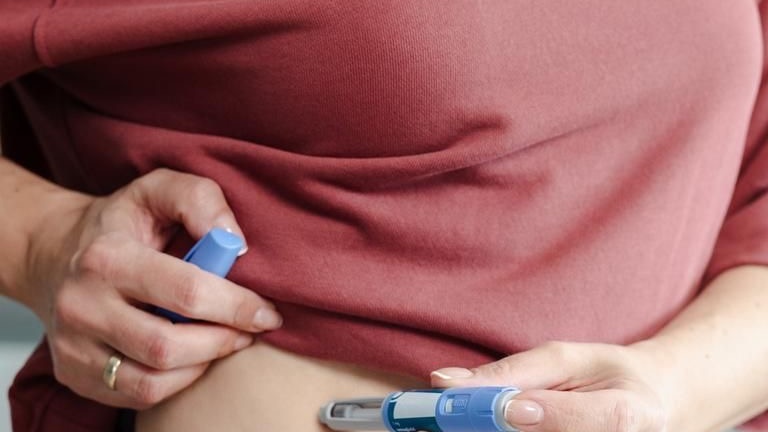
The Most Common GLP-1 Side Effects
The most frequently reported side effects of GLP-1 medications like semaglutide (Wegovy, Ozempic) and tirzepatide (Zepbound, Mounjaro) are gastrointestinal. They include:
- Nausea— the most common, affects 30–40% of patients, typically worst in the first 4–8 weeks
- Constipation— often underreported; hydration and fiber intake help significantly
- Fatigue— common in the early weeks, usually improves as your body adjusts
- Vomiting or diarrhea— less common but possible, especially at higher doses
- Decreased appetite— technically a side effect, but also the mechanism of action
These side effects occur because GLP-1s slow gastric emptying — food moves through your digestive system more slowly. Your body adjusts over time, which is exactly why we start at low doses and titrate up gradually.
Why Slow Titration Is Everything
The single most important factor in tolerating GLP-1 therapy is how slowly you increase your dose. Standard protocols typically increase the dose every 4 weeks. If side effects are significant at a given dose, staying at that level for an additional 4 weeks is clinically appropriate — and often the right call. Never rush the dose escalation. Faster is not better here.
Tips to Manage GLP-1 Nausea
Nausea is the most common reason patients want to stop — but it's almost always manageable with the right strategies:
- Eat smaller, more frequent meals
- Avoid high-fat, greasy, or spicy foods during the first few months
- Stop eating before you feel completely full — GLP-1s amplify fullness signals
- Stay well hydrated throughout the day
- Inject on a day when your schedule is light and stress is low
Side Effects That Are NOT Normal
Most GLP-1 side effects are mild to moderate and temporary. However, certain symptoms require immediate medical attention:
- Severe abdominal pain, especially radiating to the back (possible pancreatitis)
- A lump or swelling in your neck (possible thyroid concern)
- Vision changes or severe dizziness
- Signs of allergic reaction: rash, difficulty breathing, swelling
These are rare but real. This is why GLP-1 therapy should always be managed by a physician, not just an automated platform.
How Long Do Side Effects Last?
For most patients, GLP-1 side effects peak in the first 4–8 weeks and improve significantly by weeks 8–12. By the time you reach your target dose (usually around month 5–6), most patients report minimal to no GI symptoms. The medication becomes more of a background support system than a daily disruption.
| FAQ: Is nausea from Ozempic permanent? No. Nausea is almost always temporary and dose-dependent. It's worst during dose escalation and typically resolves once you're stable on your maintenance dose. |
| FAQ: Does tirzepatide cause more side effects than semaglutide? The side effect profiles are similar. Some patients tolerate one better than the other — this varies individually. Slow titration matters more than which specific medication you're on. |
| FAQ: What helps GLP-1 nausea the most? Eating smaller portions, avoiding fatty foods, and staying hydrated make the biggest difference. Some physicians also recommend over-the-counter remedies like ginger tea or anti-nausea medication in the early weeks. |
Ready to get care from a board-certified physician — without the waiting room?
Li Health Clinic is a virtual practice led by a double board-certified physician in Internal Medicine and Obesity Medicine. Initial weight loss consultation:$250· Weight Loss Membership:$149/mo· All-Inclusive:$199/mo. Membership spots are limited. Available in MD, VA, DC, GA, CA, and PA. Visitlihealthclinic.comto learn more.
Book Now