Strep throat vs. sore throat: how to tell the difference
A sore throat that hits suddenly on a Tuesday morning, and you are left wondering whether to push through or see a doctor. Most sore throats are viral and self-limiting. Strep throat is a bacterial infection that genuinely needs treatment. Here is how to tell them apart.
What causes a sore throat
The vast majority are viral — the common cold, influenza, adenovirus and COVID-19 can all cause significant throat pain. Viral sore throats are not helped by antibiotics and resolve on their own in 5 to 10 days. Strep throat is caused by Group A Streptococcus bacteria, and that one is worth treating with antibiotics, both to shorten the illness and to prevent rare complications such as rheumatic fever.
Classic strep symptoms
Strep tends to have a specific presentation that sets it apart:
Physicians use a clinical scoring tool to estimate the probability of strep from these features. The more that are present, the higher the likelihood of a positive test.
Signs it is probably viral
If your sore throat fits this pattern, antibiotics will not help — and a good physician will not prescribe them. Rest, fluids, honey, warm tea and over-the-counter pain relief are the right tools.
Can strep be diagnosed by telehealth?
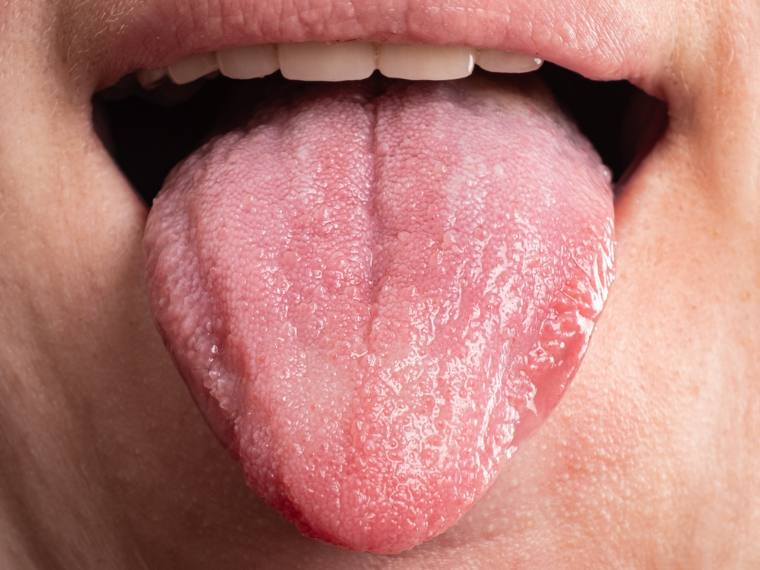
Clinically, yes. A physician can assess strep probability from your symptoms and a look at your throat on video. For definitive testing, a rapid strep test at a local pharmacy — many now sell them over the counter — or a walk-in clinic confirms the diagnosis. Where clinical suspicion is high enough, your physician may treat presumptively while you arrange testing, as a shared decision based on your situation.
Because a sore throat needs a look rather than just a description, this is one to bring to a $129 video visit rather than a written one.
Treatment
Penicillin and amoxicillin remain first-line and are highly effective. Most patients feel significantly better within 24 to 48 hours of starting antibiotics. You are contagious until you have been on antibiotics for at least 24 hours and are fever-free.
Yes — a small percentage of cases present without fever, particularly in adults. If the other features are present, testing is still worth pursuing.
From onset until you have completed 24 hours of antibiotics and your fever has resolved. Without treatment you remain contagious for two to three weeks.
Yes — your physician can evaluate your symptoms, assess strep probability, and prescribe antibiotics if clinically appropriate. A rapid test from a pharmacy or walk-in clinic can confirm it.

This article is general health information, not medical advice for your situation, and does not create a physician-patient relationship. If you are unwell, speak with a physician.