
Eczema treatment, online
Eczema is a chronic skin condition that causes patches of skin to become dry, itchy, and inflamed. It can flare up in response to irritants, stress, or weather changes, and tends to come and go over time.
Medically reviewed by Lilit Margaryan, MD, DABOM · November 8, 2026
Adults 18–75. Licensed in MD, VA, GA, CA, DC & PA.
Quick care hours: Monday–Saturday, 8 AM–8 PM ET. Visits submitted after 8 PM are reviewed the next business day.
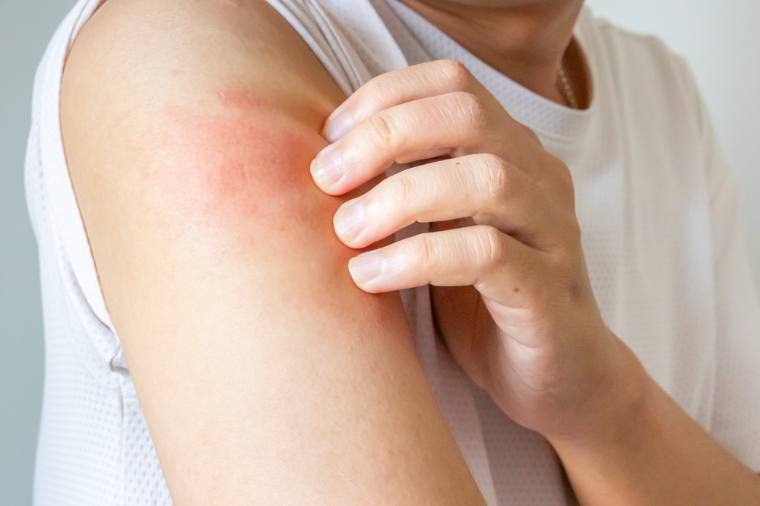
Symptoms we ask about
Dry, itchy, red or darker patches of skin. We ask where they are (face, eyelids, scalp, hands, body), how long you’ve had eczema, what you’ve used before and how well it worked, signs of infection, and every medicine you take.
Treatments sometimes prescribed
Prescribed only where clinically appropriate, at your physician's discretion. We never prescribe controlled substances.
How the visit works
When you need in-person care instead
If your symptoms are severe, rapidly worsening, or accompanied by any of the signs below, a written visit is not the right route. Seek in-person care or call 911.
If you start a visit and we conclude you need in-person care, we tell you and refund you in full.
Who the $39 eczema visit is for
Adults 18 to 75 with an eczema flare: dry, itchy, red patches, whether you’ve had eczema before or think you have it now.
See a doctor in person instead if you have:
Eczema that keeps coming back despite treatment?
Why these medicines
Your physician follows the American Academy of Dermatology’s 2023 guideline for adults:
If steroid creams aren’t enough, a dermatologist can offer other treatments.
Common questions about eczema treatment
What clears eczema the fastest?
A prescription steroid cream or ointment, used as directed, plus moisturizer after every wash. Most flares calm down within 1 to 2 weeks. A cool, damp cloth eases the itch in the meantime.
What is the best topical treatment for eczema?
Daily moisturizer plus a steroid cream or ointment for flares. The American Academy of Dermatology strongly recommends both. If they aren’t enough, a dermatologist can offer other prescription treatments.
What is the 3-minute rule for eczema?
Put on moisturizer within 3 minutes of getting out of the bath or shower, while your skin is still damp. It traps water in the skin. The American Academy of Dermatology recommends it.
How do you treat eczema on the scalp?
A steroid in a liquid, foam or shampoo form, because creams are hard to use in hair. Flaky, greasy scales may be seborrheic dermatitis (dandruff) instead, which is treated with a medicated shampoo such as ketoconazole.
How do you treat eczema around the eyes?
Eyelid skin is thin, so your physician uses a mild steroid cream for a short time. Don’t use strong steroid creams near your eyes. Eye pain or vision changes need an in-person visit.
What is dyshidrotic eczema?
Tiny, itchy blisters on the palms, the sides of the fingers or the soles of the feet. It’s treated with a stronger steroid cream, moisturizer, and gloves for wet work or cleaning.
Can Zyrtec treat eczema?
Not the rash itself. Allergy pills like cetirizine (Zyrtec) don’t treat eczema. They can help if you also have hay fever.
What triggers eczema flare-ups?
Dry skin, hot showers, soaps and skin products with fragrance, wool, sweat, stress and tobacco smoke are common triggers. Knowing yours helps prevent flares.
Does eczema ever go away?
Eczema comes and goes: flares, then calm periods. For many people it improves by adulthood, but for some it lasts for life. Treatment keeps it under control. It isn’t contagious.
What is mostly mistaken for eczema?
Psoriasis, a fungal rash such as ringworm, and contact dermatitis (a reaction to something that touched the skin). If it doesn’t sound like eczema, your physician tells you and suggests the right next step.
Do you treat eczema in babies or children?
No. Li Health treats adults 18 to 75. Please see your child’s pediatrician.
Learn more: Psoriasis refill · Other skin conditions · All prices
Sources (checked November 8, 2026): American Academy of Dermatology guideline: adult eczema, topical treatments (2023), NIH (NIAMS): atopic dermatitis, American Academy of Dermatology: moisturize within 3 minutes.
Related conditions in Skin
All $39, all usually reviewed within 3 hours.

Ready when you are.
No appointment, no waiting room, and you'll know the price before you answer a single question.