
Oral thrush treatment, online
Oral thrush is a fungal infection that causes creamy white patches inside the mouth, often on the tongue or inner cheeks. It's more common in people with weakened immune systems or recent antibiotic use.
Medically reviewed by Lilit Margaryan, MD, DABOM · November 9, 2026
Adults 18–75. Licensed in MD, VA, GA, CA, DC & PA.
Quick care hours: Monday–Saturday, 8 AM–8 PM ET. Visits submitted after 8 PM are reviewed the next business day.
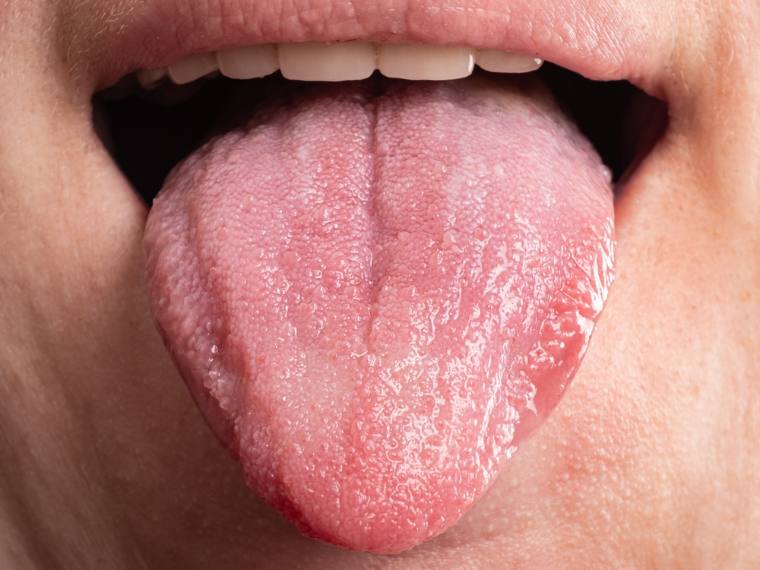
Symptoms we ask about
White patches inside the mouth that may bleed a little when wiped, redness or soreness, cracks at the corners of the mouth, a cottony feeling, or loss of taste. We ask about recent antibiotics, steroid inhalers or pills, dentures, diabetes, your immune system, and every medicine you take.
Treatments sometimes prescribed
Prescribed only where clinically appropriate, at your physician's discretion. We never prescribe controlled substances.
How the visit works
When you need in-person care instead
If your symptoms are severe, rapidly worsening, or accompanied by any of the signs below, a written visit is not the right route. Seek in-person care or call 911.
If you start a visit and we conclude you need in-person care, we tell you and refund you in full.
Who the $39 thrush visit is for
Adults 18 to 75 with white patches or soreness in the mouth, especially after antibiotics, with a steroid inhaler, or with dentures.
See a doctor in person instead if you:
Why these medicines
Your physician follows CDC guidance and the Infectious Diseases Society of America guideline:
Common questions about oral thrush treatment
Can I get a prescription for oral thrush online?
Yes. A board-certified physician reviews your answers, usually within 3 hours, and sends an antifungal prescription to your pharmacy. The visit is $39.
Can I buy oral thrush treatment over the counter?
Not really. The medicines that treat thrush in the mouth (clotrimazole lozenges, nystatin liquid and fluconazole) need a prescription. Antifungal creams sold in stores are made for the skin or vagina, not the mouth.
What is the best cure for thrush in your mouth?
For mild thrush, clotrimazole lozenges or nystatin liquid for 7 to 14 days. For more severe thrush, fluconazole pills. Your physician chooses based on how severe it is and your other medicines.
How long after taking fluconazole will oral thrush go away?
Most people feel better within a few days. Finish the whole course even if your mouth looks better. If it isn’t better after a week, contact us.
Will oral thrush go away on its own?
Mild thrush sometimes clears by itself, for example after a course of antibiotics ends. Treatment clears it faster and keeps it from spreading.
What causes oral thrush?
Candida, a yeast that normally lives in the mouth, overgrows. Common triggers are antibiotics, steroid inhalers or pills, dentures, diabetes, dry mouth, smoking and a weakened immune system.
What mouthwash kills thrush?
Regular mouthwash doesn’t cure thrush. Nystatin is a prescription liquid you swish in your mouth and swallow. A warm salt-water rinse can ease soreness.
Does apple cider vinegar or a special diet cure thrush?
No. Home remedies aren’t proven to cure thrush. If you have diabetes, keeping your blood sugar in range helps prevent it coming back. Soft, cool foods are easier while your mouth is sore.
Can thrush spread?
It can spread down the throat (the esophagus) and make swallowing painful. That needs an in-person visit.
Can I treat oral thrush during pregnancy?
Please see your OB or a doctor in person. Some thrush medicines aren’t used in pregnancy, so your doctor chooses one that’s safe for you and your baby.
Do you treat thrush in babies?
No. Li Health treats adults 18 to 75. Please see your baby’s pediatrician.
Learn more: Asthma inhaler refill · Vaginal yeast infection · All prices
Sources (checked November 9, 2026): CDC: treatment of candidiasis, CDC: candidiasis basics, IDSA candidiasis guideline (2016).
Related conditions in Skin
All $39, all usually reviewed within 3 hours.

Ready when you are.
No appointment, no waiting room, and you'll know the price before you answer a single question.